KFF Health News' 'What the Health?': Next on Kennedy’s List? Preventive Care and Vaccine Harm

The Host

Julie Rovner
KFF Health News


@jrovner


@julierovner.bsky.social


Read Julie’s stories.

Julie Rovner is chief Washington correspondent and host of KFF Health News’ weekly health policy news podcast, “What the Health?” A noted expert on health policy issues, Julie is the author of the critically praised reference book “Health Care Politics and Policy A to Z,” now in its third edition.

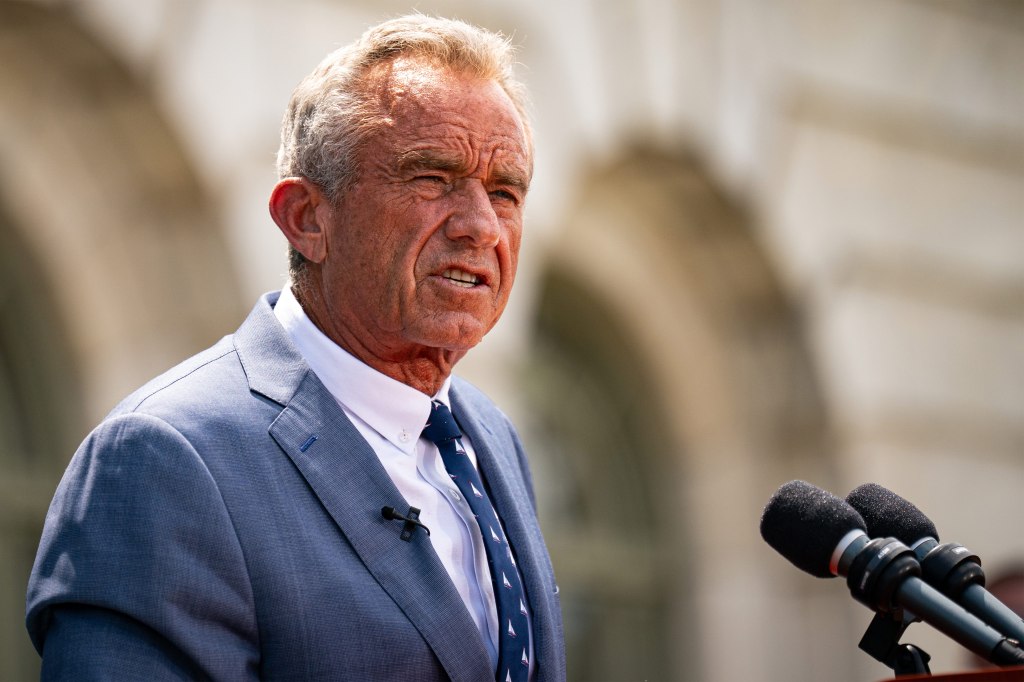
In his ongoing effort to reshape health policy, Secretary of Health and Human Services Robert F. Kennedy Jr. reportedly plans to overhaul two more government entities: the U.S. Preventive Services Task Force and the National Vaccine Injury Compensation Program. Ousting the existing members of the task force would give Kennedy a measure of control in determining the kinds of preventive care that are covered at no cost to patients in the United States. And while it’s unclear what the secretary would do to the vaccine injury program, Kennedy has made no secret of his belief that vaccines can do more harm than good.

Meanwhile, last week marked the 35th anniversary of the Americans with Disabilities Act, and President Donald Trump signed an executive order that would enable local and state governments to forcibly hospitalize some people who are homeless and struggling with mental health problems.

This week’s panelists are Julie Rovner of KFF Health News, Anna Edney of Bloomberg News, Joanne Kenen of the Johns Hopkins Bloomberg School of Public Health and Politico Magazine, and Shefali Luthra of The 19th.

Panelists

Anna Edney
Bloomberg News


@annaedney


@annaedney.bsky.social


Read Anna’s stories.

Joanne Kenen
Johns Hopkins University and Politico


@JoanneKenen


@joannekenen.bsky.social


Read Joanne’s bio.

Shefali Luthra
The 19th


@shefali.bsky.social


Read Shefali’s stories.

Among the takeaways from this week’s episode:

  • Less than two months after Kennedy removed all members of the Advisory Committee on Immunization Practices, he is reportedly considering a similar purge of members of the task force that recommends the preventive services insurers must cover — a list whose services, some of them controversial among Trump officials, include drugs that prevent HIV and certain cancer screenings. He is also considering changes to the federal program that compensates people who experience adverse effects from immunizations.
  • This week Vinay Prasad, the Food and Drug Administration’s top vaccine official, resigned just months into his tenure. Prasad had come under attack, notably by right-wing personality Laura Loomer, and had been blasted for some agency decisions about new drugs for rare diseases — despite his work limiting the use of covid shots.
  • Trump’s newly announced trade deal with the European Union includes a 15% tariff on brand-name pharmaceuticals, which would include, for example, the diabetes drug Ozempic, often used for weight loss. But it would be difficult to lower prices on brand-name drugs through tariffs; it is unlikely that drugmakers, facing higher import costs, would relocate production to the United States.
  • Also, Trump’s big tax and spending law, hastened through Congress weeks ago, renders some lawfully present immigrants ineligible for Affordable Care Act subsidies. But a new KFF Health News column points out that the change would actually raise premiums for everyone else, taking more healthy people out of the insurance pool.

Also this week, Rovner interviews George Washington University health policy professor Sara Rosenbaum, one of the nation’s leading Medicaid experts, to mark Medicaid’s 60th anniversary this week.

Plus, for “extra credit,” the panelists suggest health policy stories they read this week that they think you should read, too:

Julie Rovner: KFF Health News’ “Cosmetic Surgeries Led to Disfiguring Injuries, Patients Allege,” by Fred Schulte.

Anna Edney: The Washington Post’s “Morton Mintz, Post Reporter With a Muckraker Spirit, Dies at 103,” by Stefanie Dazio.

Joanne Kenen: ScienceAlert’s “New Kind of Dental Floss Could Replace Vaccine Needles, Study Finds,” by David Nield.

Shefali Luthra: The New Yorker’s “Mexico’s Molar City Could Transform My Smile. Did I Want It To?” by Burkhard Bilger.

Also mentioned in this week’s podcast:

Credits

Francis Ying
Audio producer

Emmarie Huetteman
Editor

To hear all our podcasts, click here.

And subscribe to KFF Health News’ “What the Health?” on SpotifyApple PodcastsPocket Casts, or wherever you listen to podcasts.

KFF Health News is a national newsroom that produces in-depth journalism about health issues and is one of the core operating programs at KFF—an independent source of health policy research, polling, and journalism. Learn more about KFF.

USE OUR CONTENT

This story can be republished for free (details).
Chronically Ill? In Kennedy’s View, It Might Be Your Own Fault

On a recent weekday evening, Ashly Richards helped her 13-year-old son, Case, with homework. He did math problems and some reading, underscoring how much he’s accomplished at his school for children with autism.

Richards has heard Trump administration officials suggest that food dyes and pediatric vaccines cause autism and ADHD. That stance, she said, unfairly blames parents.

“There’s no evidence to support it,” said Richards, 44, a marketing director in Richmond, Virginia. “As a parent, it’s infuriating.”

In their zeal to “Make America Healthy Again,” Trump administration officials are making statements that some advocacy and medical groups say depict patients and the doctors who treat them as partly responsible for whatever ails them.

Health and Human Services Secretary Robert F. Kennedy Jr. and agency leaders have attributed a panoply of chronic diseases and other medical issues — such as autism, attention-deficit/hyperactivity disorder, depression, diabetes, and obesity — to consumers and their lifestyle choices, according to a review of 15 hours of recorded interviews, social media statements, and federal reports.

He said at a news conference on April 16 that autism is preventable and that rates are rising because of toxic substances in the environment, despite a lack of evidence there is any link.

“These are kids who will never pay taxes. They’ll never hold a job. They’ll never play baseball. They’ll never write a poem. They’ll never go out on a date,” he said. “Many of them will never use a toilet unassisted.”

The vast majority of people on the spectrum do not have those severe challenges.

The statements are more than rhetoric. These attitudes, ranging from judgments about individual behaviors to criticism of the chronically poor, are shaping policies that affect millions of people. The sentiments have been a factor behind decisions to cut Medicaid, keep federal insurance programs from covering anti-obesity drugs, and impose new barriers to covid vaccines for healthy people, say public health leaders and doctors. GOP lawmakers and federal health officials, they say, hold a reproachful stance toward chronic illnesses and the estimated 129 million people in the U.S. affected by them.

“This is at the heart of so much of our national problem with health,” said Robert Califf, who led the Food and Drug Administration during the Obama and Biden administrations. “It’s these two extreme views. It’s every health decision is up to the ‘rugged individual,’ versus the other extreme view that it’s all controlled by environment and social determinants of health. The truth is, it’s on a continuum.”

The Blame Game

Self-reliance is a common theme among adherents of MAHA, an informal movement for which Kennedy has fashioned himself the figurehead that promotes medical freedom, skepticism of vaccines, and a focus on nontraditional medicine to treat disease.

Taking medication to manage diabetes? FDA Commissioner Marty Makary suggested on Fox News in late May that it would be effective to “treat more diabetes with cooking classes” instead of “just throwing insulin at people.”

People with Type 1 diabetes must take insulin because their pancreases don’t produce it, according to the National Institutes of Health, which also notes that many with Type 2 diabetes “need to take diabetes medicines as well.”

Taking birth control pills? Casey Means, President Donald Trump’s nominee to be U.S. surgeon general, has said that’s a “disrespect of life” for short-term gain and efficiency.

“We are prescribing them like candy,” she said last year on “The Tucker Carlson Show,” adding that birth control medications “are literally shutting down the hormones in the female body that create this cyclical, life-giving nature of women.”

Have a child on ADHD meds? Calley Means, who is an adviser to Kennedy and is Casey Means’ brother, said on the same show that Adderall is prescribed as the standard of care when children get a little fidgety because they’re in sedentary environments with limited sunlight and eat too much ultraprocessed food.

As a society, he said, “we’re really committing mass child abuse in many ways, and we’re normalizing that and we’re not speaking out about that. And then we’re giving people stimulants developed by Nazi Germany.”

Calley Means was probably referring to Pervitin, a methamphetamine-based drug administered to Adolf Hitler’s forces in World War II. Adderall is a prescription drug containing amphetamine, a stimulant that’s not the same as methamphetamine.

The Department of Health and Human Services didn’t respond to messages seeking comment from Means.

Some conservatives and MAHA adherents argue that people need to take more responsibility for their health. But comments that shift blame to patients and physicians risk perpetuating stigmas, fostering the spread of misinformation, and eroding trust in modern medicine, say medical groups, doctors, and patient advocacy groups.

The statements assume consumers and patients have control over improving their health and preventing chronic disease when the reality is more complex, according to some public health leaders. Lower-income people, they say, often lack access to grocery stores and healthy food, may juggle too many jobs to have time to cook from scratch, and may live in dangerous areas where it’s harder to get outside and exercise.

Jerome Adams, surgeon general during the previous Trump administration, told KFF Health News that he worries efforts to promote health will be undone by “the return of vaccine-preventable diseases, increasing mistrust in the health care system, and the tearing down of social supports which are critical for making healthy choices.”

Tough Talk

The attitudes held by top Trump health officials have affected policy decisions, some doctors and public health leaders say.

Kennedy and other Trump administration health leaders have been especially outspoken, targeting issues they consider especially egregious in recent federal actions, research, or policy.

For example, the Biden administration proposed a rule in November that would let Medicare cover weight loss medications such as Wegovy and Zepbound. But Kennedy and other political appointees at HHS and its agencies have criticized the drugs and the people who take them.

“I think it’s very dark,” Calley Means told Carlson, referring to the weight loss drugs. “I think it’s a stranglehold on the U.S. population, almost like solidifying this idea that there is a magic pill.”

He added: “Where is the urgency on saying ‘Hey parents, maybe we shouldn’t feed our kids toxic food?’”

Kennedy, too, has criticized the medications and people who use them, saying in October on Fox News that drugmakers “are counting on selling it to Americans because we’re so stupid and so addicted to drugs.”

In April, the Trump administration announced it would not finalize the Biden-era coverage rule.

“It’s impacting the kind of care and treatments patients will have,” said Andrea Love, a biomedical scientist and founder of ImmunoLogic, a science communication organization. “It sends the message that it’s your fault. It’s very much victim-blaming. It creates the idea that scientific progress is the devil, demonizes things that aren’t individually harming health, while avoiding addressing systemic issues that play a much larger role in health.”

Kennedy and HHS didn’t return messages seeking comment.

Data shows that the medications are effective. People who took the highest dose of Zepbound in clinical trials lost an average of 48 pounds, and 1 in 3 on that dose lost more than 58 pounds, or 25% of their body weight.

Kennedy and other agency leaders also oppose many covid-era health restrictions and rules. Some physicians and public health leaders note these officials downplayed covid risks while criticizing vaccines developed during the previous Trump administration.

Kennedy has said that people who died from covid actually fell victim to chronic diseases such as obesity, diabetes, or asthma.

“That’s really what killed them,” Kennedy said on “Dr. Phil Primetime” in April. “These were people who were so sick they were basically hanging from a cliff, and covid came along and stamped on their fingers and dropped them off. But they were already living lives that were burdened by sickness.”

Covid was the underlying cause of death for more than 940,000 people in the U.S. from Aug. 1, 2021, to July 31, 2022, according to a 2023 report in JAMA Network, an open-access journal on biomedical sciences published by the American Medical Association.

Covid ranked first among deaths caused by infectious or respiratory diseases for youths under age 19, based on the report. Infants under a year old may be at higher risk of experiencing severe illness from covid compared with older children, studies show, and risks are also higher for infants under 6 months and those with underlying medical conditions.

Vaccination during pregnancy can help protect infants after birth,” according to the CDC.

But Kennedy announced in May that the federal government would no longer recommend covid vaccines for pregnant people and children who are healthy. Medical groups such as the American Academy of Pediatrics opposed this decision and filed a lawsuit.

Kennedy also helped promote beliefs that many childless adults on Medicaid, the federal-state program for low-income people, don’t work and thereby drain resources from the program.

At a May hearing of the House Energy and Commerce Committee, Kennedy said the program was in jeopardy because of “all the able-bodied people who are not working [or] looking for jobs.”

It’s a view embraced by Republican lawmakers who portrayed adults enrolled in Medicaid as lazy or shirking work as they advanced a budget bill estimated to cut federal spending on the program by about $1 trillion over a decade, in part by imposing work requirements on many adult beneficiaries.

“Thirty-five-year-olds sitting at home playing video games, they’re going to now have to go get a job,” said House Majority Leader Steve Scalise of Louisiana.

The legislation, which Trump signed into law this month, will cause about 10 million more people to be without health insurance by 2034, the Congressional Budget Office estimates.

Some health leaders who criticized the legislation say the statements inaccurately maligned Medicaid enrollees, who by law cannot hold high-paying jobs and remain in the program.

Nonetheless, nearly two-thirds of adults ages 19 to 64 covered by Medicaid in 2023 were working. For about 3 in 10, caregiving responsibilities, an illness or disability, or school attendance prevented them from working, according to KFF, a health information nonprofit that includes KFF Health News.

“It’s using anti-welfare tropes for something that is basic health care, not a cash benefit,” said Anthony Wright, executive director at Families USA, which supports the Affordable Care Act and expanded health coverage. He summarized the Republican message: “We’re going to make it harder to get the help you need by imposing a bunch of paperwork, and if you don’t get it, it’s your fault.”

KFF Health News is a national newsroom that produces in-depth journalism about health issues and is one of the core operating programs at KFF—an independent source of health policy research, polling, and journalism. Learn more about KFF.

USE OUR CONTENT

This story can be republished for free (details).
A Tourist Ended Up With a Wild Bat in Her Mouth — And Nearly $21,000 in Medical Bills

In retrospect, Erica Kahn realizes she made two big mistakes.

The first was choosing to temporarily forgo health insurance when she was laid off from her job.

The second was screaming when a wild bat later landed on her face.

The bizarre encounter happened last August, while the Massachusetts resident was photographing the night sky during a vacation at the Glen Canyon National Recreation Area in Arizona. Kahn, now 33, noticed a few bats flying around but didn’t worry about them — until one flew up to her and got tangled between her camera and her face.

She screamed, and part of the bat went in her mouth. She doesn’t know which part or for how long, though she estimates it was only a few seconds. “It seemed longer,” she said.

The bat flew away, leaving Kahn shaken.

She didn’t think the animal had bitten her. Regardless, her father, who is a physician and was traveling with her, said she should go to a hospital within a day or so and begin vaccinations against rabies.

Figuring she would be covered as long as she obtained insurance before going to the hospital, Kahn said, she found a policy online the day after the bat incident. She said she called the company before she bought its policy and was told services related to an accident or “life-threatening” emergency would be covered.

Kahn went the next day to a hospital in Flagstaff, Arizona, where she started rabies prevention treatment. Over the next two weeks, she received the rest of the rabies shots at clinics in Arizona and Massachusetts and at a hospital in Colorado.

Then the bills came.

The Medical Procedure

Kahn received a total of four doses of the rabies vaccine. The doses are administered over the course of 14 days. Along with her first vaccination, she received three shots of immunoglobulin, which boosts antibodies against the virus.

Rabies is typically transmitted through bites or scratches from an infected animal. Experts recommend precautionary measures when a person has been potentially exposed to rabies, because once the neurological disease causes symptoms, it is fatal. The Centers for Disease Control and Prevention says postexposure rabies treatment has reduced the number of human fatalities to fewer than 10 a year in the U.S.

The Final Bill

According to explanation-of-benefits statements, Kahn owed a total of $20,749 for her care at the four facilities. Most of the charges were from the hospital where she was first treated, Flagstaff Medical Center: $17,079, including $15,242 for the rabies and immunoglobulin shots.

The Billing Problem: Most Insurance Doesn’t Start Immediately

Kahn’s policy did not pay for any of the services. “The required waiting period for this service has not been met,” said an explanation-of-benefits letter she received in December.

Kahn was stunned. “I thought it must have been a mistake,” she said. “I guess I was naive.”

When Kahn was laid off from her job as a biomedical engineer last summer, she had the option to temporarily stay on her former employer’s insurance under a COBRA plan, at a cost of about $650 a month. But as a young, healthy person, she gambled that she could get by without insurance until she found another job. She figured that if she needed medical care, she could quickly buy a private policy.

According to the Centers for Medicare & Medicaid Services, those who qualify for COBRA must be given at least 60 days to sign up — and if they do, the coverage applies retroactively. Kahn, who was still within that period at the time of the incident, said recently that she did not realize she had that option.

The policy she purchased after the bat episode, which cost about $311 a month, was from a Florida company called Innovative Partners LP. Documents Kahn provided to KFF Health News say the policy has a 30-day waiting period, which “does not apply to benefits regarding an accident or loss of life.”

Kahn said that after receiving notice that her claims were denied, she called the company to ask how she could appeal and was told a doctor would have to file paperwork. She said she wrote a letter that was signed by a doctor at Flagstaff Medical Center and submitted it in March but was unable to reach doctors at the other facilities.

Kahn said she was given conflicting answers about where to send the paperwork. She said a representative with the company recently told her it had not received any appeals from her.

Benefits statements Kahn received in early July show Innovative Partners had not paid the claims. The company did not respond to requests for comment for this article.

Sabrina Corlette, co-director of the Center on Health Insurance Reforms at Georgetown University, said most health coverage plans take effect on the first day of the month after a customer enrolls.

“The insurance companies — for good reason — don’t want people to wait to sign up for coverage until they are sick,” she said, noting the premiums healthy people pay help balance the costs of paying for health care.

The Affordable Care Act requires insurers to cover preexisting conditions, such as diabetes or heart issues. But that doesn’t mean they have to pay for treatment of an injury sustained shortly before a person enrolls in coverage, she said.

Corlette, who reviewed a brief benefits overview provided by Kahn, said the policy appears to have been a limited, “fixed indemnity” plan, which would pay only set amounts toward treatments per day or other period regardless of total expenses incurred. Such plans have been around for decades and aren’t required to meet ACA standards, she said.

But she said even if Kahn had bought comprehensive health insurance, it probably wouldn’t have covered treatment received so soon after she purchased it.

David Shlim, a travel medicine specialist in Wyoming who studies rabies, said Kahn made the right choice by promptly seeking treatment, even though she didn’t feel the bat bite her. The disease is deadly, and the fact that the bat went into her mouth meant she could have been infected from its saliva, he said: “You could hardly have a more direct exposure than that.”

Shlim, who recently co-wrote a federal advisory about rabies prevention, added that  healthy bats don’t normally fly into people, as the one in this case did. The animal’s entanglement with Kahn suggests it could have been sick, possibly with rabies, he said.

Rabies prevention treatment is much more expensive in the United States than in most other countries, Shlim said. The priciest part is immunoglobulin, which is made from the blood plasma of people who have been vaccinated against rabies.

The treatment is often administered in hospital emergency rooms, which add their own steep charges, Shlim noted.

The Resolution

Kahn said she is employed again and has good health insurance but is still facing most of the bills from her misadventure at Glen Canyon. She said she paid a doctor bill from Flagstaff Medical Center after negotiating it down from $706 to $420. She said she’s also arranged a $10-a-month plan to pay off the $530 she owes for one of her rabies shots at another facility.

She said she plans to continue appealing the denials of payment for the rest of the bills, which total more than $19,000.

In a statement on behalf of the Flagstaff hospital — where Kahn incurred the highest charges — Lauren Silverstein, a spokesperson at Northern Arizona Healthcare, said the health system does what it can to limit costs. “We have less ability to control the prices of critical supplies that we use to treat patients, including pharmaceuticals, biologics, diagnostics and medical devices made by other companies,” she said.

Silverstein said the hospital needs to keep immunoglobulin on hand to prevent rabies, even though such cases are relatively rare and the drug is expensive.

The Takeaway

COBRA insurance policies, named for the Consolidated Omnibus Budget Reconciliation Act of 1985, enable many people who lose job-based coverage to pay to stay on those plans temporarily. There is a 60-day window to choose COBRA coverage, and once a beneficiary pays for it, the coverage applies retroactively — meaning that medical care is covered even if it occurred when the person was uninsured.

Corlette said Kahn’s predicament illustrates why people need to make sure they have health insurance.

She said people who lose employer-based coverage should consider enrolling in individual insurance plans sold on federal or state marketplaces. Many people who buy such policies qualify for substantial ACA subsidies to help pay premiums and other costs.

“If you are losing your job, COBRA is not your only option,” Corlette said.

Kahn wishes she had signed up for insurance coverage when she was laid off, even though she felt confident she would find another job within a few months. “That’s a very big lesson I learned the hard way,” she said.

Her wildlife encounter did not destroy her love of the outdoors. She even sees humor in it.

“I know what bats taste like now. It’s an earthy, sweet kind of flavor,” she joked. “It’s actually a pretty funny story — if it weren’t for the horrible medical bill that came with it.”

Bill of the Month is a crowdsourced investigation by KFF Health News and The Washington Post’s Well+Being that dissects and explains medical bills. Since 2018, this series has helped many patients and readers get their medical bills reduced, and it has been cited in statehouses, at the U.S. Capitol, and at the White House. Do you have a confusing or outrageous medical bill you want to share? Tell us about it!

KFF Health News is a national newsroom that produces in-depth journalism about health issues and is one of the core operating programs at KFF—an independent source of health policy research, polling, and journalism. Learn more about KFF.

USE OUR CONTENT

This story can be republished for free (details).

Readers Weigh In on Making American Health Care Affordable Again

Letters to the Editor is a periodic feature. We welcome all comments and will publish a selection. We edit for length and clarity and require full names.

Sounding the Alarm for Ambulances

Thank you for shedding much-needed light on the exorbitant costs and lack of reimbursement that have become a harsh reality for many ambulance services across Colorado and the nation (“Insurers Fight State Laws Restricting Surprise Ambulance Bills,” July 9). While it’s vital to protect patients from “surprise” bills — something your coverage highlights — it’s equally important to acknowledge the other side of the equation.

Ambulance providers often receive reimbursements well below the actual cost of delivering care. A recent industry report found that ambulance services are under‑reimbursed by an average of $1,526 per transport, with Medicare alone paying nearly $2,334 less than the cost incurred. These shortfalls are unsustainable and threaten the financial viability of emergency responders.

It’s crucial that ambulance companies have a stronger voice in this conversation. Reimbursement rates aren’t just numbers — they determine whether crews can stay on the road, maintain readiness, and invest in vital mobile health care services. Emergency preparedness relies on stable funding, and when that funding falls short, communities suffer.

By spotlighting the reimbursement crisis, this article helps lay the groundwork for policy solutions. But let’s go a step further: We need to elevate the voice of ambulance agencies themselves, so lawmakers and insurers understand that fair payment isn’t a bonus — it’s essential to keep us safe.

— Patrick Fahey, Weymouth, Massachusetts

A DevOps engineer shared the NPR version of the article on social media:

Families hit hard by surprise ambulance bills-some see debts soar even with insurance. More states are acting, but a national solution may be needed for real protection. https://t.co/Efb6me3Png pic.twitter.com/HRSW5mCdiu

— Michael Bennett (@M1keB_77) July 11, 2025

— Michael Bennett, Denver

‘Congress Is Playing Political Hot Potato With My Health’

I’m 60, self-employed, and living with congestive heart failure. My ejection fraction is dangerously low, and the Affordable Care Act is the reason I can see a doctor, take my medication, and stay alive.

Now Congress is playing political hot potato with my health. If they don’t extend the ACA’s enhanced subsidies by August, my $30 premium could jump to over $800. That’s over 25 times as much. I’m not a hedge fund manager — I’m an independent contractor. Unless I start selling organs (not ideal when your heart’s the issue), I can’t keep up.

I’m too young for Medicare and have no employer plan. I’ve worked, paid taxes, and managed my condition responsibly. So why am I being priced out of care?

If Congress won’t listen, I’m asking you — the press — to help. Tell this story, or one just like it. Millions of Americans are quietly panicking, walking the same tightrope. These policy changes aren’t just math — they’re about human lives.

Because if nothing changes, a lot of us won’t be around to write letters next year.

— Kevin Bahn, Tamarac, Florida

Americans Pay the Price for a Sick Health Care System

I am sure your readers would be interested in how American health care costs compare with those of the European Union and Switzerland (“Bill of the Month: A Texas Boy Needed Protection From Measles. The Vaccine Cost $1,400,” June 30).

In France, the private price for the MMR vaccine is around $13 (in U.S. dollars), provided you have a prescription. Any pharmacy can administer the jab for about the same.

Here in Switzerland, the most expensive country in Europe, this vaccine costs under $40, as a private purchase.

I’ve moved 18 times with family across Western and Eastern Europe and have had expat staff in 35 countries on four continents.

It’s very clear to me now that most national attempts at health care are a costly failure, with few notable exceptions: Germany and, surprisingly, Spain. Then there’s Switzerland, which has among the best health care systems in the world — close to perfect. Basic coverage terms are federally mandated and cost around $430 a month with a $2,500 annual deductible, irrespective of age, after 26. And with a $300 yearly deductible, the premiums are about 40% higher.

Something is very off in the USA. It’s not that complicated.

— Clement Cohen, Geneva, Switzerland

A registered nurse shared his solution for taming Medicaid fraud in a post on X:

“They’ll give you a bone if you stay in the mud.It’s relatively easy to fix the benefit cliff: just phase in a graduated premium for Medicaid based on income above the threshold. If we had political will to do this, it would prompted self-sufficiency.https://t.co/4fxSnmETRd

— Jacob Larsen 🇺🇸 🇩🇰 🇺🇦 (@SLCPaladin) July 22, 2025

— Jacob Larsen, St. George, Utah

Why ‘Start From Scratch’ Vaccine Testing Can Be Dangerous

I anticipate we’ll be hearing more discussion around the use of “inert” placebos — like saline solutions — as the Advisory Committee on Immunization Practices and the Centers for Disease Control and Prevention approach new vaccine recommendations (“Kennedy’s Vaccine Advisers Sow Doubts as Scientists Protest US Pivot on Shots,” June 27). This type of messaging seems poised to gain traction with the public, despite its ethical implications.

Increasingly, I’m seeing criticism that vaccine development doesn’t rely on inert placebos. This argument is often used to advocate for new clinical trials — even for vaccines already proven effective — and to justify beginning booster development from scratch.

While inert placebos may have been used and were appropriate in early stages of research for vaccines, their use becomes ethically problematic when a safe, effective vaccine already exists. In such cases, withholding protection from participants in a placebo group can put them at real risk, especially during the development of updated or booster doses of vaccines.

I believe it’s critical that organizations like KFF Health News help clarify this issue for the public. KFF is a highly respected, nonpartisan source with powerful communication reach. I’m a subscriber to KFF Health News and appreciate the way your reporting draws in readers with accessible, engaging headlines — and that your articles are available for syndication to other outlets.

Two key points I found buried in an American Academy of Pediatrics article stood out:

  • “Many childhood vaccines were tested originally in randomized clinical trials that included placebo or comparison groups. If the vaccine is for a disease that currently has no vaccine, the placebo may be saline or another substance known to be safe. If the vaccine is a potential replacement for an existing, older vaccine, the comparator group may receive the older vaccine that has already been tested rather than an inert placebo.”
  • “When a safe, effective vaccine already exists against a disease, giving children in the placebo group no protection against that disease is unethical. Unvaccinated children can contract dangerous illnesses. Parents of children in the placebo group would not know they didn’t get the vaccine and that their child is unprotected.”

That brings up another important question: Who would volunteer for a randomized, double-blind, controlled trial involving an inert placebo for an existing vaccine? People hesitant about vaccines are unlikely to participate, for fear they will receive the vaccine. And those who support vaccination may be reluctant to risk receiving an inert placebo instead of testing the current, older proven version against a new proposed version.

— Alice Henneman, Lincoln, Nebraska

A virologist and podcaster chimed in on the June installment of our “Bill of the Month” series:

A post doctoral fellow at UTMB couldn’t afford the university’s insurance option for his family so he bought a separate plan. It cost him $1400 to get his child the measles vaccine. During an outbreak. Get your vaccines now, before they are not covered. https://t.co/f3wWRouevA

— Heather McSharry, PhD (@PathogenScribe) July 1, 2025

— Heather McSharry, Austin, Texas

A Premium Shell Game?

I read Michelle Andrews’ article today, published in the San Francisco Chronicle (“Have Job-Based Health Coverage at 65? You May Still Want To Sign Up for Medicare,” June 18). Thanks for reporting on this important issue.

You describe as contributing factors: ignorance of the employee, the lack of any requirement that Medicare notify the employee, and the failure of the broker to notify.

Perhaps I missed it, but I believe there’s an important additional factor you didn’t mention: the profit of the commercial insurance carrier. In my experience, folks don’t notice that their primary insurance has changed to Medicare primarily because their employer is still deducting the premium for their commercial group health insurance.

Isn’t it fraud for the insurance carrier to collect premiums for a policy for which the subscriber is visibly no longer eligible by law?

There’s a financial incentive for the commercial carrier not to tell the subscriber that their coverage has ended, and they are now eligible for a Medicare Advantage supplemental policy (with a much lower premium) if they sign up for Medicare: The commercial carrier can collect high premiums, then decline to pay benefits.

You mention that Medicare representatives note they are not required to notify subscribers. Why? Coincidence? More likely, the commercial insurance companies actively lobby against notification.

Also, there’s a financial incentive for hospitals to perform procedures on patients who are 65 or older and still on a commercial plan. Pretty sure the hospital billing office knows quite well they will eventually be able to bill the patient the retail fee, which is typically 10 times as much (or more) than the Medicare-discounted fee.

In my experience, this is not a doctor issue, as the physician rarely pays any attention to insurance details. But it’s very much a billing office issue.

— John S. Smolowe, Menlo Park, California

A reader in Connecticut tweeted his opinion on the risks of cannabis for an aging population:

Normalized cannabis use now will yield a big public health problem later and all the data points in that direction…👇🏼“As Cannabis Users Age, Health Risks Appear To Grow” https://t.co/xNrqqz1k1L via @kffhealthnews

— Brandon M. Macsata 🎗️ (@Purple_Strategy) June 9, 2025

— Brandon M. Macsata, New Haven, Connecticut

Getting Ahead of Known and Unknown Threats

As highlighted in your article “‘MAHA Report’ Calls for Fighting Chronic Disease, but Trump and Kennedy Have Yanked Funding” (July 2), proposals to eliminate the National Center for Chronic Disease Prevention and Health Promotion do not align with efforts to address our country’s chronic disease crisis. These plans also further underscore the importance of strengthening America’s public health infrastructure not only to save lives, but also to ensure taxpayer dollars are used wisely.

For each dollar invested in disease prevention, the Trust for America’s Health estimates, $5.60 in downstream costs can be saved nationwide — and this figure is even higher in some states.

But just as cuts to chronic health research will hamper the federal government’s goals of preventing diabetes, heart disease, and obesity, so too do cuts to broader public health funding streams inhibit state and local health departments’ ability to stop outbreaks of measles, drug overdoses, or hepatitis, among many other preventable conditions.

Investments in public health have saved lives and strengthened our country. Identifying emerging threats quickly — whether they come from infectious diseases, zoonotic illnesses, accidents, or injuries — is vital to mitigating them. Unfortunately, federal cuts to vital public health funding streams and programs make it increasingly difficult for our nation’s leaders to understand the threats facing their communities and make the most informed decisions possible to help their communities.

Across the country, public health departments are scaling back staff and delaying plans to adopt better technology due to funding constraints; therefore, many departments lack the resources to detect and respond to threats in a timely manner. Rural and underserved communities that have fewer resources to sustain or replace federal investment are at greatest risk.

Without continued investment in public health infrastructure — from the federal government as well as state, territorial, local, and tribal governments — the impact of future health risks will be multiples higher on both the national health care system and the resources (including government investment) needed to address whatever may be coming next.

To truly improve public health, our leaders at every level of government should be doubling down on public health systems, both infrastructure and technology, as the foundation and path to keep America healthy.

— Eric Whitworth, CEO of InductiveHealth, Atlanta

The CEO of 4sight Health had this advice, posted on X:

Don’t listen to what the regime says. Watch what it does. What this story calls “contradictions” and “inconsistencies” are lies and diversions from its anti-health agenda. The market must pick up the chronic disease prevention torch. https://t.co/SgWYe3KCtp

— David Johnson (@4sighthealth_) July 8, 2025

— David Johnson, Chicago

Preventive Physical Therapy Can Spare You From Injury — And Rehab

Thank you for recently highlighting the critical need for quality physical therapy (“How To Find the Right Medical Rehab Services,” July 15) and providing a comprehensive guide on navigating rehabilitation services after hospitalization. It is also important to note the preventive power physical therapy has before an acute injury strikes.

Physical and occupational therapy services are not just a form of post-accident care but are also proactive, non-pharmaceutical strategies to preserve strength, balance, and independence — especially for our aging population. And research shows that when physical therapy is the first line of treatment for certain conditions like lower back pain — rather than injections or surgery — Medicare Part A/B costs drop by 19% compared with patients choosing injections first and by 75% compared with surgery-first cases.

Moreover, physical therapist-led fall prevention programs have been shown to reduce fall risk, while also cutting emergency room visits, hospitalizations, and opioid use among older adults. These numbers matter deeply in an aging America where 30 million older adults fall each year and the lifetime medical cost of treating falls is over $100 billion annually. And yet, the Medicare system often prioritizes post‑injury treatment over preventive care, delaying access to essential physical therapy until after damage occurs.

In light of our nation’s need for more preventive care, it is time for our Congress to enable easier, earlier access to physical therapy. One way lawmakers can help is by supporting and passing the bipartisan Stopping Addiction and Falls for the Elderly, or SAFE, Act (H.R. 1171). This commonsense legislation would allow Medicare beneficiaries to access no-cost falls risk assessments from the fall prevention experts: physical and occupational therapists.

Incorporating physical therapy into primary and preventive care has the potential to decrease hospital visits, lower health care spending, and preserve our seniors’ independence — goals we all share. It’s time to shift the policy spotlight upstream. Physical therapy has already proved it saves money and improves lives.

— Nikesh Patel, executive director of the Alliance for Physical Therapy Quality and Innovation (APTQI), Sugar Land, Texas

KFF Health News is a national newsroom that produces in-depth journalism about health issues and is one of the core operating programs at KFF—an independent source of health policy research, polling, and journalism. Learn more about KFF.

USE OUR CONTENT

This story can be republished for free (details).

Tribal Groups Assert Sovereignty as Feds Crack Down on Gender-Affirming Care

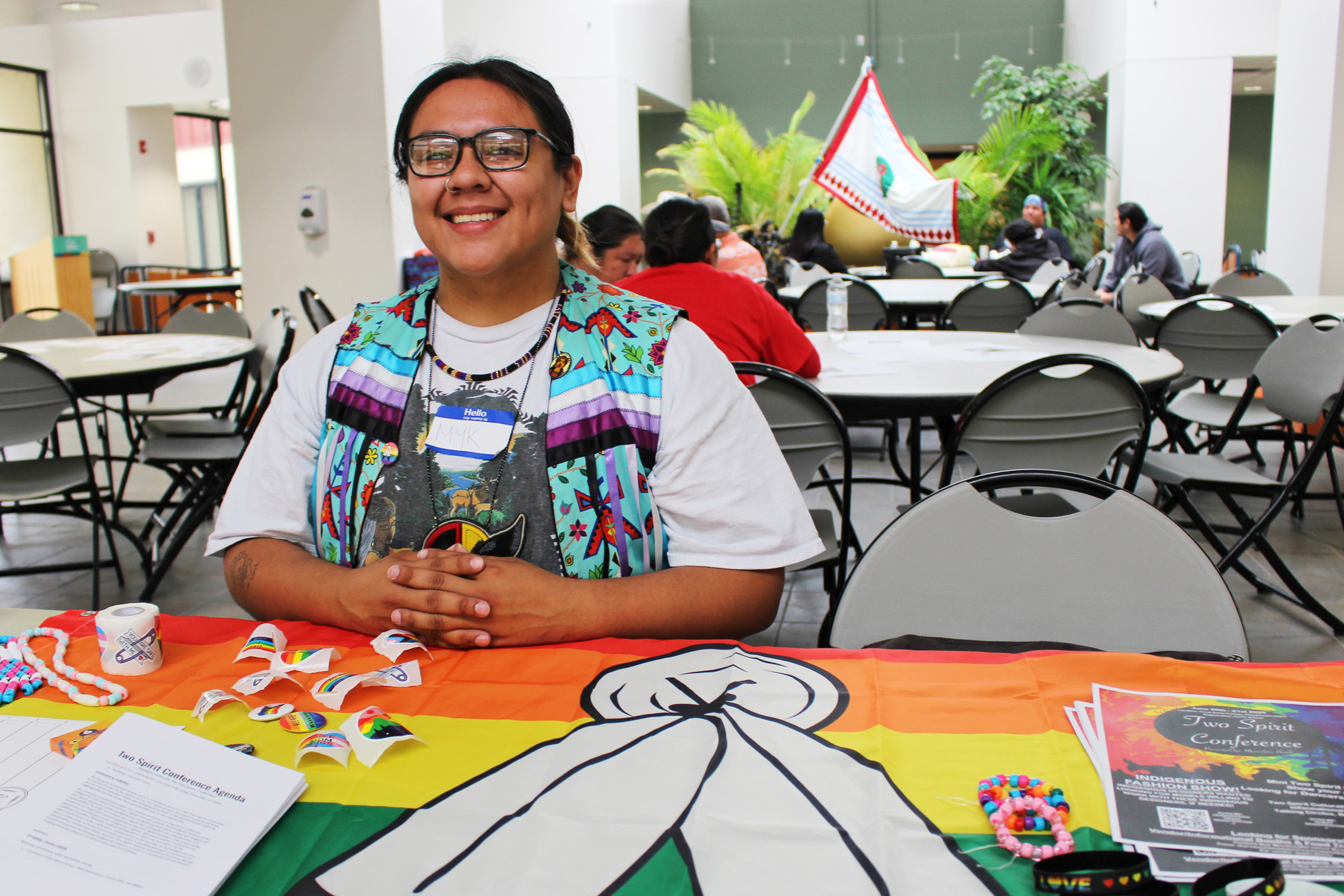
ELKO, Nev. — At the Two Spirit Conference in northern Nevada in June, Native Americans gathered in support of the LGBTQ+ community amid federal and state rollbacks of transgender protections and gender-affirming health care.

“I want people to not kill themselves for who they are,” said organizer Myk Mendez, a trans and two-spirit citizen of the Fort Hall Shoshone-Bannock Tribes in Idaho. “I want people to love their lives and grow old to tell their stories.”

“Two-spirit” is used by Native Americans to describe a distinct gender outside of male or female.

The conference in Elko reflects how some tribal citizens are supporting their LGTBQ+ community members as President Donald Trump rolls back protections and policies. In March, the National Indian Health Board, which represents and advocates for federally recognized Native American and Alaska Native tribes, passed a resolution declaring tribal sovereignty over issues affecting the Native American community’s health, including access to gender-affirming care.

The resolution calls on the federal government to preserve and expand programs that support the health and well-being of two-spirit and LGBTQ+ Native Americans. Tribes and tribal organizations are navigating how to uphold their sovereignty without jeopardizing the relationships and resources that support their communities, said Jessica Leston, the owner of the Raven Collective, a Native public health consulting group, and a member of the Ketchikan Indian Community.

In January, Trump signed an executive order recognizing only two sexes — male and female — and another to terminate diversity, equity, and inclusion programs within the federal government.

An Indian Health Service website describing two-spirit people was removed this year but restored following a court order. The page now has a disclaimer at the top that declares any information on it “promoting gender ideology” is “disconnected from the immutable biological reality that there are two sexes, male and female.”

Two-spirit is not a sexual orientation but refers to people of a “culturally and spiritually distinct gender exclusively recognized by Native American Nations,” according to a definition created by two-spirit elders in 2021. According to two-spirit leaders, people who did not fit into the Western binary of male and female have lived in their communities since before colonization.

Already, tribal citizens and leaders say some people have had trouble accessing gender-affirming care in recent months, with some community members being denied hormone treatments or having their medications delayed, even in places where gender-affirming care remains legal. Panic has spread, and tribal citizens have considered leaving the country.

“There is a chilling effect,” said Itai Jeffries, who is trans, nonbinary, and two-spirit, of the Occaneechi people from North Carolina, and a consultant for the Raven Collective.

Mendez said he requested hormone treatment at his local Indian Health Service clinic at the end of June and was told by his provider that the facility has had trouble receiving the treatment for patients.

Lenny Hayes, a two-spirit citizen of the Sisseton-Wahpeton Oyate in South Dakota, said the Indian Health Service clinic on the reservation also isn’t dispensing hormone treatment, though it is legal for people 18 and older. Hayes is the owner and operator of Tate Topa Consulting and provides educational training on two-spirit and LGTBQ+ Native Americans and Alaska Natives.

The National Congress of American Indians passed a resolution in 2015 to encourage the creation of policies to protect two-spirit and LGBTQ+ communities. And the organization adopted a resolution in 2021 to support providing gender-affirming care in Indian Health Service, tribal, and urban facilities.

The National Indian Health Board’s resolution cites homophobia and transphobia as contributing to higher rates of truancy, incarceration, self-harm, attempted suicide, and suicide among two-spirit young people. The board also lists health disparities among the broader Native LGBTQ+ population, including increased risks of anxiety, depression, and suicide.

Two-spirit and LGBTQ+ Native American and Alaska Native young people are particularly vulnerable to depression, suicidality, and sexual exploitation. In Minnesota, a 2019 state survey found that two-spirit and LGBTQ+ Native American and Alaska Native students had the highest rates of those ages 15-19 who responded “yes” to having traded sex or sexual activity for money, food, drugs, alcohol, or shelter.

Tribal leaders are also concerned that Medicaid cuts recently approved in Trump’s budget law will undercut efforts to expand testing and treatment for HIV infection in Native American communities.

The rates of HIV diagnosis among Native American and Alaska Native gay and bisexual men increased 11% from 2018 to 2022, according to the Centers for Disease Control and Prevention.

Despite this increase, Native American and Alaska Native gay and bisexual men are among the groups with the least access to HIV tests outside of health care settings, such as community-based organizations, mobile testing units, and shelters.

As tribes respond to state and federal regulations of two-spirit and LGBTQ+ people, organizations and communities are focused on providing information and resources to protect those in Indian Country, even from the president.

“He will never, ever wipe out our identity, no matter what he does,” Hayes said.

KFF Health News is a national newsroom that produces in-depth journalism about health issues and is one of the core operating programs at KFF—an independent source of health policy research, polling, and journalism. Learn more about KFF.

USE OUR CONTENT

This story can be republished for free (details).

Lawfully Present Immigrants Help Stabilize ACA Plans. Why Does the GOP Want Them Out?

If you want to create a perfect storm at Covered California and other Affordable Care Act marketplaces, all you have to do is make enrollment more time-consuming, ratchet up the toll on consumers’ pocketbooks, and terminate financial aid for some of the youngest and healthiest enrollees.

And presto: You’ve got people dropping coverage; rising costs; and a smaller, sicker group of enrollees, which translates to higher premiums.

The Trump administration and congressional Republicans have just checked that achievement off their list.

They have done it with the sprawling tax and spending law President Donald Trump signed on July 4 and a related set of new regulations released by the Centers for Medicare & Medicaid Services that will govern how the ACA marketplaces are run.

Among the many provisions, there’s this: Large numbers of lawfully present immigrants currently enrolled in Obamacare health plans will lose their subsidies and be forced to pay full fare or drop their coverage.

Wait. What?

I understand that proponents of the new policies think the government spends too much on taxpayer subsidies, especially those who believe the ACA marketplaces are rife with fraud. It makes sense that they would support toughening enrollment and eligibility procedures and even slashing subsidies. But taking coverage away from people who live here legally is not health care policy. It’s an echo of the federal immigration raids in Los Angeles and elsewhere.

“It’s creating a very hostile environment for them, especially after having to leave their countries because of some very traumatic experiences,” says Arturo Vargas Bustamante, a professor of health policy and management at UCLA’s Fielding School of Public Health. “For those who believe health care is a human right, this is like excluding that population from something that should be a given.”

In Covered California, 112,600 immigrants, or nearly 6% of total enrollees, stand to lose their federal tax subsidies when the policy takes effect in 2027, according to data provided by the exchange. In the Massachusetts and Maryland marketplaces, the figure is closer to 14%, according to their directors, Audrey Morse Gasteier and Michele Eberle, respectively.

It’s not clear exactly how much financial aid those immigrants currently receive in ACA marketplaces. But in Covered California, for example, the average for all subsidized enrollees is $561 per month, which covers 80% of the $698 average monthly premium per person. And immigrants, who tend to have lower-than-average incomes, are likely to get more of a subsidy.

The immigrants who will lose their subsidies include victims of human trafficking and domestic violence, as well as refugees with asylum or with some temporary protected status. And “Dreamers” will no longer be eligible for ACA marketplace health plans because they will not be considered lawfully present. Immigrants who are not in the country legally cannot get coverage through Covered California or most other ACA marketplaces.

The nearly 540,000 Dreamers in the United States arrived in the U.S. as kids without immigration papers and were granted temporary legal status by President Barack Obama in 2012. Of those, an estimated 11,000 have ACA health plans and would lose them, including 2,300 in Covered California.

Supporters of the policy changes enshrined in the CMS rule and budget law think it’s high time to rein in what they say are abuses in the system that started under the Biden administration with expanded tax credits and overly flexible enrollment policies.

“It’s about making Obamacare lawful and implementing it as drafted rather than what Biden turned it into, which was a fraud and a waste-infused program,” says Brian Blase, president of Arlington, Virginia-based Paragon Health Institute, which produces policy papers with a free-market bent and influenced the Republican-driven policies.

But Blase doesn’t have much to say about the termination of Obamacare subsidies for lawfully present immigrants. He says Paragon has not focused much on that subject.

Jessica Altman, executive director of Covered California, expects most immigrants who lose subsidies will discontinue their enrollment. “If you look at where those populations fall on the income scale, the vast majority are not going to be able to afford the full cost of the premium to stay covered,” she says.

Apart from the human hardship cited by Bustamante, the exodus of immigrants could compromise the financial stability of coverage for the rest of Covered California’s 1.9 million enrollees. That’s because immigrants tend to be younger than the average enrollee and use fewer medical resources, thus helping offset the costs of older and sicker people who are more expensive to cover.

Covered California data shows that immigrant enrollees targeted by the new federal policies pose significantly lower medical risk than U.S. citizens. And a significantly higher percentage of immigrants in the exchange are ages 26 to 44, while 55- to 64-year-olds make up a smaller percentage.

Still, it would be manageable if immigrants were the only younger people to leave the exchange. But that is unlikely to be the case. More red tape and higher out-of-pocket costs — especially if enhanced tax credits disappear — could lead a lot of young people to think twice about health insurance.

The covid-era enhanced tax credits, which have more than doubled ACA marketplace enrollment since their advent in 2021, are set to expire at the end of December without congressional action. And, so far, Republicans in Congress do not seem inclined to renew them. Ending them would reverse much of that enrollment gain by jacking up the amount consumers would have to spend on premiums out of their own pockets by an average of 66% at Covered California and more than 75% nationally.

And an analysis by the Congressional Budget Office shows that a consequent exodus of younger, healthier people from the marketplaces would lead to even greater costs over time.

Enhanced tax credits aside, consumers face additional hurdles: The annual enrollment period for Covered California and other marketplaces will be shorter than it is now. Special enrollment periods for people with the lowest incomes will be effectively eliminated. So will automatic renewals, which have greatly simplified the process for a majority of enrollees at Covered California and some other marketplaces. Enrollees will no longer be able to start subsidized coverage, as they can now, before all their information is fully verified.

“Who are the people who are going to decide to go through hours and hours of onerous paperwork?” says Morse Gasteier. “They’re people who have chronic conditions. They have health care issues they need to manage. The folks we would expect not to wade through all that red tape would be the younger, healthier folks.”

California and 20 other states this month challenged some of that red tape in a federal lawsuit to stop provisions of the CMS rule that erect “unreasonable barriers to coverage.” California Attorney General Rob Bonta said he and his fellow attorneys general hoped for a court ruling before the rule takes effect on Aug. 25.

“The Trump administration claims that their final rule will prevent fraud,” Bonta said. “It’s obvious what this is really about. It’s yet another political move to punish vulnerable communities by removing access to vital care and gutting the Affordable Care Act.”

This article was produced by KFF Health News, which publishes California Healthline, an editorially independent service of the California Health Care Foundation.

KFF Health News is a national newsroom that produces in-depth journalism about health issues and is one of the core operating programs at KFF—an independent source of health policy research, polling, and journalism. Learn more about KFF.

USE OUR CONTENT

This story can be republished for free (details).

California contrató a trabajadores de salud comunitarios para zanjar desigualdades, ahora da marcha atrás

A Fortina Hernández la llaman “la que lo sabe todo”.

Durante más de dos décadas, esta trabajadora de salud comunitaria ha ayudado a cientos de familias del sureste de Los Ángeles a inscribirse en programas de ayuda alimentaria, ha informado sobre seguros médicos asequibles y ha ayudado con medicamentos para sus afecciones crónicas. Su frase favorita: “más vale prevenir que curar”.

Pero sólo gana unos $20 la hora en una organización de salud comunitaria y tiene un segundo trabajo para poder llegar a fin de mes. “Nos pagan muy poco y esperan demasiado”, dijo. “Generamos confianza. Ofrecemos apoyo. Somos el hombro en el que muchos se apoyan, pero no recibimos un salario justo”.

California buscaba profesionalizar a miles de trabajadores de salud comunitarios como Hernández. La meta era mejorar la salud de las poblaciones inmigrantes, en particular los residentes hispanos, que a menudo padecen mayores tasas de enfermedades crónicas, son más propensos a no tener seguro médico y se enfrentan a más barreras culturales y lingüísticas para acceder a servicios.

Estudios demuestran que su trabajo puede reducir las hospitalizaciones, y las visitas a las salas de emergencias y a las clínicas de urgencias.

El estado siguió al pie de la letra una serie de recomendaciones de expertos publicadas en 2019 para estandarizar la formación y la certificación de estos profesionales. Así, poder integrarlos a las plantillas de trabajadores de salud y ofrecerles salarios justos, incluyendo reembolsos a través de Medi-Cal, el Medicaid estatal, para compensar el trabajo que tradicionalmente se ha realizado de forma voluntaria o con salarios bajos.

Pero seis años después, California ha dado marcha atrás en muchas de esas iniciativas.

El estado ha eliminado un programa de certificación y ha recortado casi toda la financiación para formar y ampliar esta plantilla, a pesar de que se había fijado el objetivo de contar con 25.000 trabajadores para este año.

Aunque Medi-Cal comenzó a cubrir sus servicios, los planes de salud participantes establecieron requisitos de facturación desiguales, lo que dificulta que los trabajadores obtengan el reembolso. Además, el estado no cumplió con el aumento salarial previsto.

Con los recortes de fondos federales recién aprobados y el foco del presidente Donald Trump en la deportación de inmigrantes, incluso compartiendo datos personales de Medicaid con el Departamento de Seguridad Nacional, los activistas temen que California abandone su iniciativa de equidad en la salud para los inmigrantes, las personas de color y las personas con bajos ingresos. En un momento en el que, aseguran, esa labor es más necesaria que nunca.

“Estamos en una situación muy grave en este momento”, afirmó Cary Sanders, directora en la California Pan-Ethnic Health Network, una organización estatal que aboga por la equidad en la salud.

Elana Ross, vocera del gobernador Gavin Newsom, dijo que “el estado ha tomado medidas difíciles pero necesarias para garantizar la estabilidad fiscal” y que la administración sigue dialogando con los trabajadores de salud comunitarios.

Ross agregó que el gobernador demócrata, posible candidato a la presidencia, sigue comprometido con la defensa de los inmigrantes perseguidos por la administración Trump.

“Nuestra oficina está en la calle”

Hay más de 60.000 trabajadores de salud comunitarios en todo el país, incluidos unos 9.200 en California, y se prevé que esta fuerza laboral crezca un 13% en la próxima década, tres veces más rápido que el conjunto de todas las profesiones, según datos de 2024 de la Oficina de Estadísticas Laborales de Estados Unidos.

Sin embargo, expertos afirman que estas cifras están subvaloradas, dada la variedad de títulos que poseen estos trabajadores y el hecho de que muchos no trabajan en el cuidado de salud propiamente dicho ni en instituciones gubernamentales.

“Trabajador de salud comunitario” es un término genérico que incluye a distintos tipos de trabajadores. A menudo conocidos como promotores, suelen ser mujeres que trabajan en clínicas, hospitales, departamentos de salud pública y organizaciones sin fines de lucro locales, en lugares en los que se les tiene confianza y donde conocen las necesidades más urgentes de su comunidad.

Además de ayudar a las personas a controlar afecciones crónicas como las cardiopatías y la diabetes, promueven la salud reproductiva, la salud infantil y la higiene bucal, y ayudan a las personas mayores con demencia a prevenir lesiones y manejar sus medicamentos.

Pueden hacer que las personas se sientan seguras al denunciar la violencia doméstica y otros abusos. También las conectan con servicios de asistencia para la vivienda y la alimentación. “El trabajador de salud comunitario no se sienta en un escritorio”, dijo Hernández. “Nuestra oficina está en la calle”.

En 2019, la California Future Health Workforce Commission recomendó integrar a estos trabajadores en el sistema de salud, y en 2022, el estado autorizó $281 millones durante tres años para el Departamento de Acceso e Información de Salud de California, que supervisa el desarrollo del personal de este sector, con el fin de reclutar, formar y certificar a estos trabajadores.

La agencia trató de estandarizar la formación y la certificación, pero algunos grupos comunitarios temían que eso creara barreras de acceso al no dar suficiente crédito a la experiencia y a la competencia cultural.

Pero el año pasado, justo cuando la agencia ofrecía más flexibilidad y permitía la formación basada en el trabajo comunitario, el estado recortó $250 millones en financiación debido a restricciones presupuestarias. Este año, el programa de certificación ha sido oficialmente eliminado.

El vocero Andrew DiLuccia señaló que la agencia establecerá un programa para acreditar a las organizaciones comunitarias en lugar de a los trabajadores individuales y que tiene previsto gastar los $12 millones restantes en asistencia técnica, desarrollo de la fuerza laboral y salarios para quienes trabajan con las comunidades inmigrantes.

Según la National Academy for State Health Policy, otros 32 estados ofrecen algún tipo de programa de certificación para trabajadores de salud comunitarios ya sea voluntario o bien obligatorio.

Algunos activistas afirman que California está perdiendo la oportunidad de establecer una trayectoria profesional para esta mano de obra. Muchos de los cursos que ofrecen hoy en día por organizaciones sin fines de lucro, condados y universidades requieren el pago de una cuota, un título, dominio del inglés o experiencia previa. La mayoría se concentran en el área de San Francisco o Los Ángeles, lo que crea desiertos de formación en gran parte del estado.

Lourdes Bernis, una dentista de Ecuador, es un ejemplo de cómo los trabajadores de salud comunitarios podrían integrarse en el sistema de salud. Comenzó como promotora voluntaria hace más de una década y en 2019 recibió formación gratuita del condado de Los Ángeles, lo que le permitió conseguir un trabajo a tiempo completo, con beneficios, en el Departamento de Salud Mental del condado para ayudar a mujeres hispanohablantes a gestionar la depresión y la ansiedad mientras se recuperan del consumo de drogas.

Bernis ahora quiere convertirse en especialista de apoyo entre pares en hospitales y clínicas. Mientras tanto, muchos de sus colegas con décadas de experiencia siguen atrapados en puestos mal pagados y no pueden permitirse costear cursos de formación para avanzar. “Hay promotoras que tienen entre 20 y 25 años de experiencia, pero siguen trabajando como voluntarias”, dijo Bernis.

El papel de Medi-Cal

Para pagar a los trabajadores de salud comunitarios, Medi-Cal comenzó a cubrir sus servicios en julio de 2022, pero California suspendió un aumento salarial previsto para ellos después que los votantes aprobaran la Proposición 35, que aumentaba los pagos a médicos, hospitales, clínicas comunitarias y otros proveedores.

Desde entonces, el estado aún no ha establecido un sistema uniforme sobre cómo los planes de salud deben contratar a las organizaciones que emplean a trabajadores de salud comunitarios.

“Tenemos que hacer malabares”, dijo María Lemus, directora ejecutiva de Visión y Compromiso, una organización sin fines de lucro con sede en Los Ángeles que representa a estos trabajadores. “Esto sólo causa caos, porque cada plan puede tener requisitos diferentes”.

Lemus agregó que la organización tardó casi seis meses en establecer el pago con un plan de salud.

Y aunque los reembolsos de Medi-Cal están vinculados a tareas individuales, que oscilan entre $9.46 y $27.54 por 30 minutos de trabajo, los activistas afirman que no se les compensa totalmente por el tiempo que dedican a ganarse la confianza de los pacientes y a hacer seguimiento.

Según los activistas, estos trabajadores deberían ganar al menos $30 por visita, con beneficios, pero muchos ganan unos $21 la hora, a menudo sin beneficios.

Lo que sorprende a los activistas es la poca frecuencia con la que se utilizan estos servicios en un programa que cuenta con 15 millones de californianos. Más de 16,000 afiliados a Medi-Cal utilizaron estos servicios durante el primer año, cifra que aumentó a 68,000 el año pasado, según datos del estado. “No creo que se haya alcanzado el potencial del que hablaba el gobernador y que todos imaginábamos que se podría alcanzar”, señaló Sanders.

Griselda Melgoza, vocera del Departamento de Servicios de Salud de California, dijo que la agencia, que administra Medi-Cal, ha observado “una tendencia constante al alza” y cree que los datos subestiman la utilización porque este beneficio a veces se incluye en otros servicios.

Este año se rechazó una propuesta de ley para evaluar si los planes de atención médica gestionada de Medi-Cal realizan la divulgación y educación suficiente entre los afiliados sobre los servicios de salud comunitarios.

Más crucial que nunca

Con los recortes a la financiación de la salud por parte de la administración Trump y la aprobación de la legislación fiscal y de gasto del Partido Republicano, los activistas temen que haya aún menos fondos y apoyo para estos puestos, lo que reduciría las plantillas que se ocupan de las desigualdades en materia de salud.

El Departamento de Salud Pública del condado de Fresno ya ha anunciado el recorte de más de la mitad de sus trabajadores comunitarios: pasarán de 49 puestos a 20.

Sin embargo, la divulgación es más crucial que nunca. Mientras la administración Trump continúa con las redadas de inmigración, que parecen haber tenido como objetivo al menos una clínica en el estado, los activistas y los investigadores advierten que los trabajadores de salud comunitarios podrían actuar como intermediarios para los pacientes inmigrantes que temen buscar atención médica en hospitales y clínicas.

Sin un programa de certificación estatal, sin aumentos salariales y con fondos de capacitación cada vez más escasos, el camino hacia la profesionalización es incierto, lo que hace que esta fuerza laboral se sienta abandonada.

“La comunidad confía en mí”, afirmó Hernández, una veterana trabajadora de salud comunitaria, “pero a nivel gubernamental aún queda mucho camino por recorrer antes de que este trabajo sea valorado y pagado como se merece”.

Esta historia fue producida por Kaiser Health News, que publica California Healthline, un servicio editorialmente independiente de la California Health Care Foundation.

KFF Health News is a national newsroom that produces in-depth journalism about health issues and is one of the core operating programs at KFF—an independent source of health policy research, polling, and journalism. Learn more about KFF.

USE OUR CONTENT

This story can be republished for free (details).

Journalists Drill Down How Federal Cuts Will Affect Medicaid, Cancer Research, and Uninsured Rates

KFF Health News chief Washington correspondent Julie Rovner discussed the impact of Medicaid cuts on WAMU’s “1A” on July 23.

KFF Health News correspondent Rachana Pradhan discussed cuts at the National Cancer Institute and the ensuing chaos on PBS’ “PBS News Weekend” on July 19.

KFF Health News Southern correspondent Sam Whitehead discussed how Georgia and other states will be affected by President Donald Trump’s budget law on WUGA’s “The Georgia Health Report” on July 18.

KFF Health News is a national newsroom that produces in-depth journalism about health issues and is one of the core operating programs at KFF—an independent source of health policy research, polling, and journalism. Learn more about KFF.

USE OUR CONTENT

This story can be republished for free (details).
Fearing Medicaid Coverage Loss, Some Parents Rush To Vaccinate Their Kids

For two decades, Washington, D.C., pediatrician Lanre Falusi has counseled parents about vaccine safety, side effects, and timing. But this year, she said, the conversations have changed.

“For the first time, I’m having parents of newborns ask me if their baby will still be able to get vaccines,” Falusi said.

Throughout the country, pediatricians say anxious parents are concerned about access to routine childhood immunizations, especially those with children on Medicaid, the government insurance program for low-income families and people with disabilities. Medicaid covers 4 in 10 children in the U.S.

“It really became an issue when RFK Jr. stepped into the role of HHS secretary,” said Deborah Greenhouse, a pediatrician in South Carolina.

The concern accelerated after the shake-up of a key Centers for Disease Control and Prevention vaccine advisory body in June, raising fears that millions of American families could soon have to pay out-of-pocket for shots now covered by their health insurance.

Health and Human Services Secretary Robert F. Kennedy Jr., a longtime anti-vaccine activist, removed all 17 members of the CDC’s Advisory Committee on Immunization Practices, the panel responsible for recommending which shots are included in the nation’s adult and childhood immunization schedules.

Kennedy replaced the panelists with new members aligned with his views, prompting alarm among medical professionals and public health experts.

“People should be worried about what’s going to happen to the availability of vaccines for children,” said Jennifer Tolbert, deputy director of the Program on Medicaid and the Uninsured at KFF, a national health information nonprofit that includes KFF Health News.

Under the Affordable Care Act, health insurers are required to cover all ACIP-recommended vaccines. States and other jurisdictions use the childhood vaccine schedule to set immunization requirements for schoolchildren. ACIP’s recommendations also determine which vaccines get covered by the Vaccines for Children Program, a CDC-funded initiative that provides free immunizations to low-income and uninsured children. Half of children in the U.S. are eligible for the VFC program.

If the new ACIP members withdraw support for a particular vaccine and the CDC director agrees, Tolbert said, the consequences would be immediate. “It would automatically affect what is covered and therefore which vaccines are available to children on Medicaid,” she said.

Health insurance companies have not yet said how they would alter coverage, but Tolbert said such a move would open the door for private insurers to refuse to cover the vaccine.

Pediatricians worry about a future where parents might have to choose — pay hundreds of dollars out-of-pocket for shots or leave their kids unprotected.

The health insurance industry group AHIP said that health plans “continue to follow federal requirements related to coverage of ACIP-recommended vaccines and will continue to support broad access to critical preventive services, including immunizations.”

Pediatricians say news about President Donald Trump’s new budget law, which is expected to reduce Medicaid spending by about $1 trillion over the next decade, also prompted questions from parents.

While parents may be worried about losing their Medicaid, the law doesn’t mention vaccines or change eligibility or benefits for children’s Medicaid, Tolbert said. But less federal funding means states will have to make decisions about who is covered and which services are offered.

To raise the revenue needed to pay for Medicaid, states could raise taxes; move money earmarked for other spending, such as education or corrections; or, more likely, reduce Medicaid spending.

“And they may do that by cutting eligibility for optional populations or by cutting services that are optional, or by reducing payments to providers in the form of provider rates,” Tolbert said. “It’s unclear how this will play out, and it will likely look different across all states.”

In May, Kennedy announced in a post on X that the CDC is no longer recommending the covid-19 vaccine for healthy children and pregnant women. The move prompted a lawsuit by the American Academy of Pediatrics and other physician groups that seeks to freeze Kennedy’s directive.

In June, the new ACIP members appointed by Kennedy voted to recommend that adults and children no longer receive flu vaccines with thimerosal, a preservative rarely used in some flu vaccines. Anti-vaccine activists, including Kennedy, have rallied against thimerosal for decades, alleging links to autism despite no evidence of any association.

“There is no cause for concern,” Department of Health and Human Services spokesperson Emily Hilliard said in a statement. “As Secretary Kennedy has stated, no one will be denied access to a licensed vaccine if they choose to receive one.”

“When the ACIP committee met last month, they reaffirmed that flu vaccines will remain accessible and covered, and they emphasized safety by ensuring these vaccines are mercury-free,” Hilliard wrote. “The Vaccines for Children (VFC) program continues to provide COVID-19 vaccines at no cost for eligible children when the parent, provider, and patient decide vaccination is appropriate. Medicaid will continue to reimburse the administration fee.”

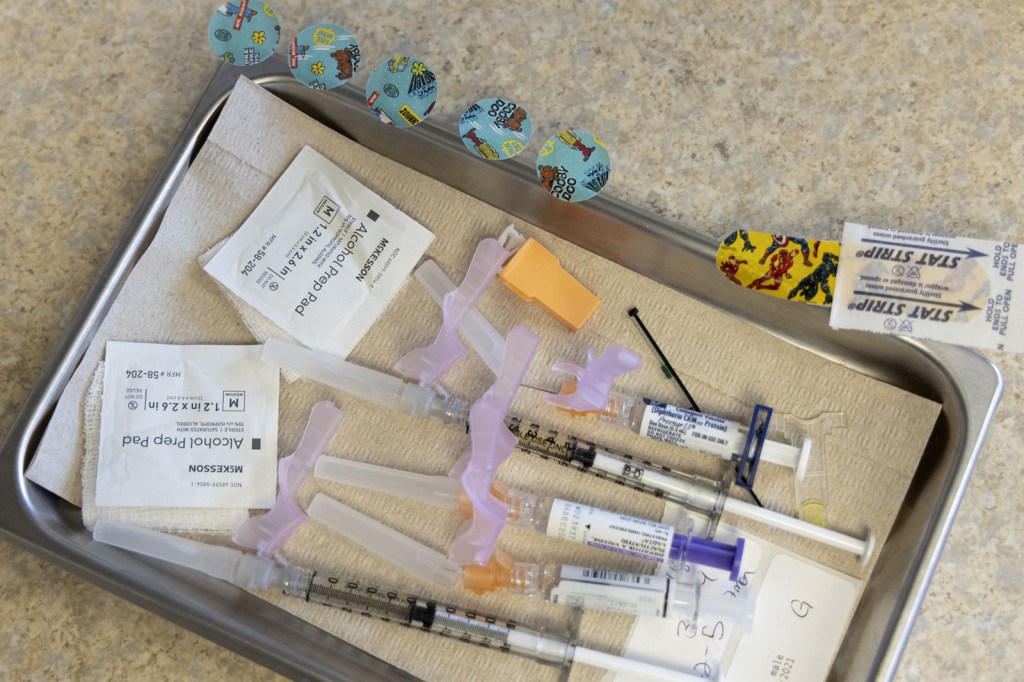
But the possibility that a vaccine could be restricted or no longer covered by insurance is already changing how parents approach immunization. In Falusi’s practice, parents are scheduling appointments to coincide precisely with their child’s eligibility, sometimes making appointments the same week as their birthdays.

Melissa Mason, a pediatrician in Albuquerque, New Mexico, has evaluated some patients who contracted measles during the multistate outbreak that started in neighboring Texas.

She’s concerned that any new limitations on access or reimbursement for childhood vaccines could lead to even more preventable illnesses and deaths.

Nationally, there have been more than 1,300 measles cases since January, including three deaths, according to the CDC. “We’re seeing this outbreak because vaccination rates are too low and it allows measles to spread in the community,” Mason said.

Children and teens account for 66% of national measles cases. Mason has begun offering the measles vaccine to infants as young as 6 months old, a full six months earlier than standard practice, though still within federal guidelines.

Last year, overall kindergarten vaccination rates fell in the U.S. At the same time, the number of children with a school vaccination exemption continued to rise.

Pertussis, or whooping cough — another disease that can be deadly to young children — is spreading. As of July 5, more than 15,100 cases had been identified in U.S. residents this year, according to the CDC.

Mason said pertussis is especially dangerous to babies too young to receive the vaccine.

For now, pediatricians are trying to maintain a sense of urgency without inciting panic.

In Columbia, South Carolina, Greenhouse used to offer families a flexible age range for routine vaccinations.

“I’m not saying that anymore,” the pediatrician said.

She now urges parents to get their children vaccinated as soon as they are eligible.

She described anxious parents asking whether the HPV vaccine, which helps prevent cervical cancer, can be administered to children younger than the recommended age of 9.

“I actually had two parents today ask if their 7- or 8-year-olds could get the HPV shot,” Greenhouse said. “I had to tell them it’s not allowed.”

With the vaccine requiring multiple doses months apart, Greenhouse fears time may run out for families to get the series covered by insurance. If they have to pay out-of-pocket, she’s afraid some families may choose not to get the second dose. A second dose could cost about $300 if no longer covered by insurance.

“I cannot be 100% sure what the future looks like for some of these vaccines,” Greenhouse said. “I can tell you it’s a very scary place to be.”

Kennedy’s newly appointed vaccine advisory committee is expected to hold its next public meeting as soon as August.

KFF Health News is a national newsroom that produces in-depth journalism about health issues and is one of the core operating programs at KFF—an independent source of health policy research, polling, and journalism. Learn more about KFF.

USE OUR CONTENT

This story can be republished for free (details).

Trump Voters Wanted Relief From Medical Bills. For Millions, the Bills Are About To Get Bigger.

President Donald Trump rode to reelection last fall on voter concerns about prices. But as his administration pares back federal rules and programs designed to protect patients from the high cost of health care, Trump risks pushing more Americans into debt, further straining family budgets already stressed by medical bills.

Millions of people are expected to lose health insurance in the coming years as a result of the tax cut legislation Trump signed this month, leaving them with fewer protections from large bills if they get sick or suffer an accident.

At the same time, significant increases in health plan premiums on state insurance marketplaces next year will likely push more Americans to either drop coverage or switch to higher-deductible plans that will require them to pay more out-of-pocket before their insurance kicks in.

Smaller changes to federal rules are poised to bump up patients’ bills, as well. New federal guidelines for covid-19 vaccines, for example, will allow health insurers to stop covering the shots for millions, so if patients want the protection, some may have to pay out-of-pocket.

The new tax cut legislation will also raise the cost of certain doctor visits, requiring copays of up to $35 for some Medicaid enrollees.

And for those who do end up in debt, there will be fewer protections. This month, the Trump administration secured permission from a federal court to roll back regulations that would have removed medical debt from consumer credit reports.

That puts Americans who cannot pay their medical bills at risk of lower credit scores, hindering their ability to get a loan or forcing them to pay higher interest rates.

“For tens of millions of Americans, balancing the budget is like walking a tightrope,” said Chi Chi Wu, a staff attorney at the National Consumer Law Center. “The Trump administration is just throwing them off.”

White House spokesperson Kush Desai did not respond to questions about how the administration’s health care policies will affect Americans’ medical bills.

The president and his Republican congressional allies have brushed off the health care cuts, including hundreds of billions of dollars in Medicaid retrenchment in the mammoth tax law. “You won’t even notice it,” Trump said at the White House after the bill signing July 4. “Just waste, fraud, and abuse.”

But consumer and patient advocates around the country warn that the erosion of federal health care protections since Trump took office in January threatens to significantly undermine Americans’ financial security.

“These changes will hit our communities hard,” said Arika Sánchez, who oversees health care policy at the nonprofit New Mexico Center on Law and Poverty.

Sánchez predicted many more people the center works with will end up with medical debt. “When families get stuck with medical debt, it hurts their credit scores, makes it harder to get a car, a home, or even a job,” she said. “Medical debt wrecks people’s lives.”

For Americans with serious illnesses such as cancer, weakened federal protections from medical debt pose yet one more risk, said Elizabeth Darnall, senior director of federal advocacy at the American Cancer Society’s Cancer Action Network. “People will not seek out the treatment they need,” she said.

Trump promised a rosier future while campaigning last year, pledging to “make America affordable again” and “expand access to new Affordable Healthcare.”

Polls suggest voters were looking for relief.

About 6 in 10 adults — Democrats and Republicans — say they are worried about being able to afford health care, according to one recent survey, outpacing concerns about the cost of food or housing. And medical debt remains a widespread problem: As many as 100 million adults in the U.S. are burdened by some kind of health care debt.

Despite this, key tools that have helped prevent even more Americans from sinking into debt are now on the chopping block.

Medicaid and other government health insurance programs, in particular, have proved to be a powerful economic backstop for low-income patients and their families, said Kyle Caswell, an economist at the Urban Institute, a think tank in Washington, D.C.

Caswell and other researchers found, for example, that Medicaid expansion made possible by the 2010 Affordable Care Act led to measurable declines in medical debt and improvements in consumers’ credit scores in states that implemented the expansion.

“We’ve seen that these programs have a meaningful impact on people’s financial well-being,” Caswell said.

Trump’s tax law — which will slash more than $1 trillion in federal health spending over the next decade, mostly through Medicaid cuts — is expected to leave 10 million more people without health coverage by 2034, according to the latest estimates from the nonpartisan Congressional Budget Office. The tax cuts, which primarily benefit wealthy Americans, will add $3.4 trillion to U.S. deficits over a decade, the office calculated.

The number of uninsured could spike further if Trump and his congressional allies don’t renew additional federal subsidies for low- and moderate-income Americans who buy health coverage on state insurance marketplaces.

This aid — enacted under former President Joe Biden — lowers insurance premiums and reduces medical bills enrollees face when they go to the doctor or the hospital. But unless congressional Republicans act, those subsidies will expire later this year, leaving many with bigger bills.

Federal debt regulations developed by the Consumer Financial Protection Bureau under the Biden administration would have protected these people and others if they couldn’t pay their medical bills.

The agency issued rules in January that would have removed medical debts from consumer credit reports. That would have helped an estimated 15 million people.

But the Trump administration chose not to defend the new regulations when they were challenged in court by debt collectors and the credit bureaus, who argued the federal agency had exceeded its authority in issuing the rules. A federal judge in Texas appointed by Trump ruled that the regulation should be scrapped.

KFF Health News is a national newsroom that produces in-depth journalism about health issues and is one of the core operating programs at KFF—an independent source of health policy research, polling, and journalism. Learn more about KFF.

USE OUR CONTENT

This story can be republished for free (details).